

In the realm of pet care https://starlight-vet.com/, understanding common surgeries and preparing your beloved companion for these procedures is paramount to their well-being.
This article delves into the intricacies of common pet surgeries, offering insights on how pet owners can best prepare their furry friends for these medical interventions.
By following pre-surgery guidelines, providing post-operative care, and monitoring their recovery, pet owners can ensure a smoother and safer surgical experience for their beloved pets.
Understanding Common Pet Surgeries
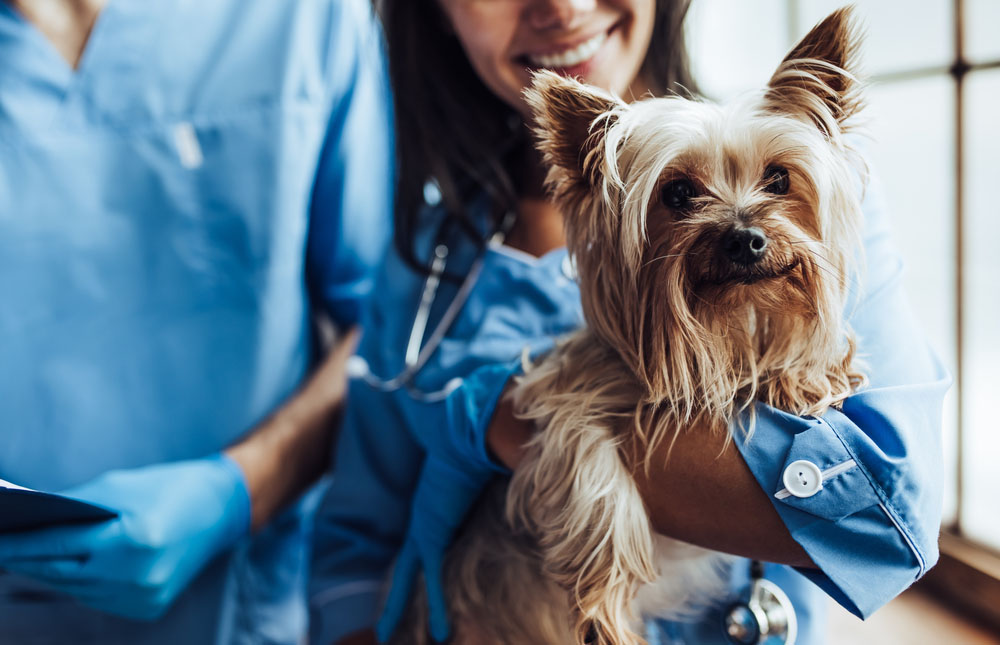
Common pet surgeries encompass a range of procedures conducted to address various health issues in animals veterinary hospital. One of the most common surgeries is spaying or neutering, which helps control the pet population and can prevent certain health issues.
Dental surgeries, such as cleanings and extractions, are also prevalent as dental health is crucial for overall well-being.
Orthopedic surgeries, like repairing a broken bone or addressing joint issues, are essential for maintaining a pet’s mobility and quality of life.
Additionally, soft tissue surgeries, such as tumor removals or gastrointestinal procedures, are performed to treat various conditions.
Understanding the common types of pet surgeries can help pet owners make informed decisions about their pet’s healthcare and well-being, ensuring they receive the necessary treatment for a happy and healthy life.
Preparing Your Pet for Surgery
Preparing your pet for surgery involves ensuring they are in optimal health and ready for the procedure ahead. To do this, follow your veterinarian’s instructions regarding fasting, medication, and any other specific requirements.
It’s crucial to provide a comfortable and stress-free environment for your pet leading up to the surgery. Keep them calm and relaxed, offering familiar bedding or toys. Additionally, make transportation arrangements in advance, ensuring your pet is safely secured during the journey to the veterinary clinic.
Lastly, communicate openly with your vet about any concerns or questions you may have. By taking these steps, you can help ensure that your pet is prepared both physically and mentally for their upcoming surgery, promoting a smoother and more successful outcome.
Pre-Surgery Guidelines for Pet Owners
When preparing for your pet’s surgery, it is essential for pet owners to follow specific pre-surgery guidelines provided by their veterinarian. These guidelines are crucial in ensuring the safety and success of the procedure.
Typically, your veterinarian will instruct you to withhold food and water for a specific period before the surgery to prevent complications during anesthesia. It is important to adhere strictly to these fasting instructions to minimize the risks.
Additionally, your vet may advise you to restrict your pet’s activity levels leading up to the surgery date. This can help prevent injuries and ensure your pet is in the best possible condition for the procedure.
Post-Operative Care Tips
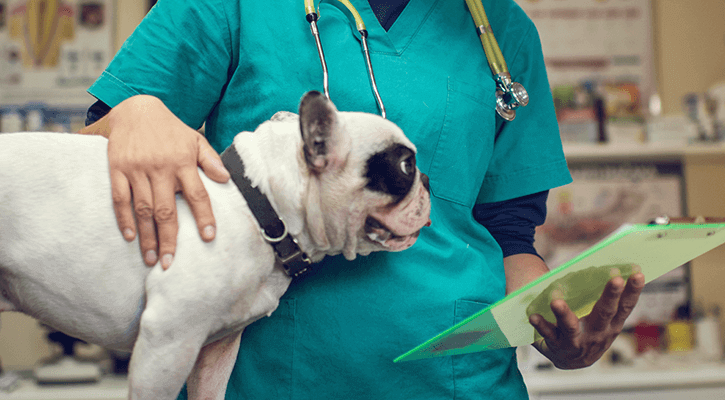
Following the pre-surgery guidelines provided by your veterinarian is crucial to ensure a smooth recovery and optimal post-operative care for your pet.
After the surgery, create a comfortable, quiet space for your pet to rest and recover. Ensure they have access to fresh water and their medications as prescribed.
Monitor their incision site for any signs of infection, excessive swelling, or discharge. Limit their activity level as advised by the veterinarian to prevent any complications.
Provide gentle, loving care to help them feel secure during this vulnerable time. Follow up with your veterinarian for any post-operative appointments or concerns.
Monitoring Your Pet’s Recovery
Continuing the focus on post-operative care, vigilance in monitoring your pet’s recovery is essential to ensure a successful outcome. Keep a close eye on your pet’s behavior, appetite, and incision site. Any unusual changes, such as excessive licking, swelling, redness, or discharge, should be promptly reported to your veterinarian.
Administer medications as prescribed and follow any activity restrictions to aid in a smooth recovery process. Ensure your pet has a quiet and comfortable space to rest, away from potential hazards. Regularly check on your pet and provide gentle care and attention to help them feel safe and supported during this crucial healing period.
Conclusion
In conclusion, understanding common pet surgeries and preparing your pet for surgery is crucial for their well-being.
By following pre-surgery guidelines, providing post-operative care, and monitoring your pet’s recovery, you can ensure a successful outcome.
It is important to prioritize your pet’s health and comfort throughout the surgical process to promote a smooth recovery.